
Keeping Children Learning Beyond the Classroom

Introduction
Learning does not begin and end in the classroom. For many children, access to education is shaped by their home environment, community support, and sense of safety.
At Carevia our education programs focus on creating conditions where children can continue learning — even when challenges make formal schooling difficult.
Children learn best when they feel encouraged, understood, and supported by the people around them — both inside and outside school.
“When children feel supported beyond the classroom, learning becomes a shared responsibility — and a lasting opportunity.”
That sense of shared responsibility is what allows learning to continue, even in difficult circumstances.
Community-Based Learning Support
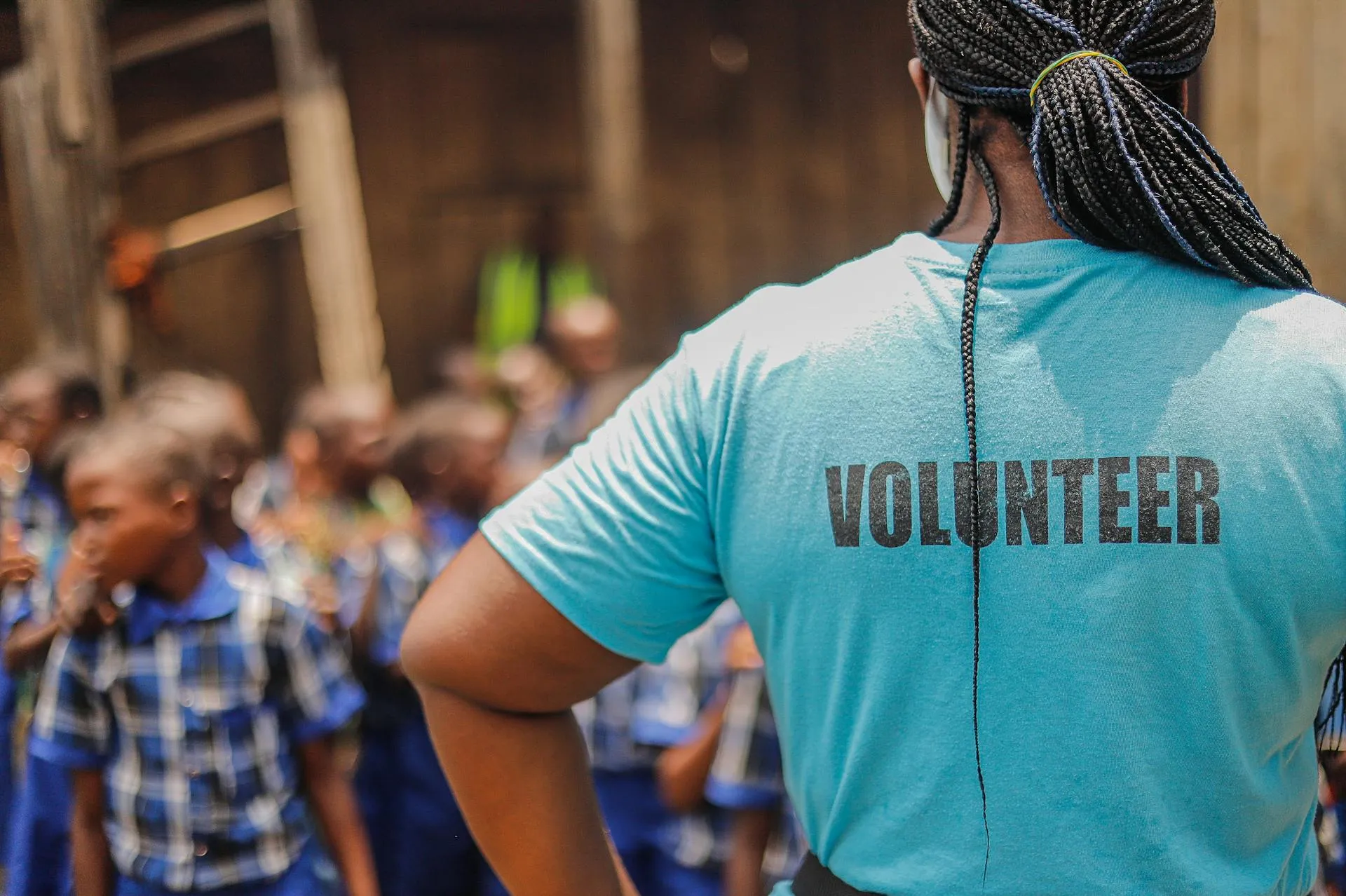
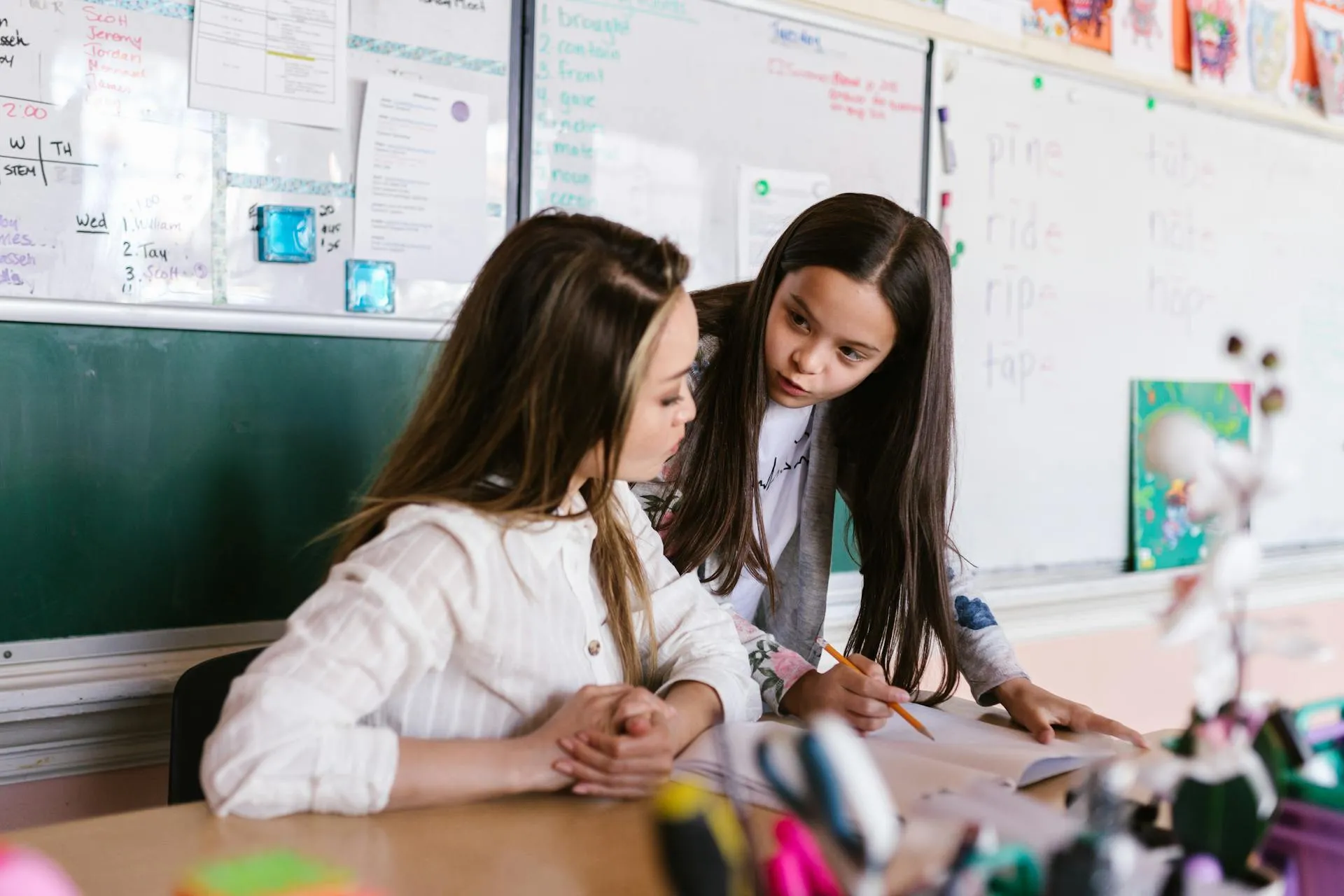
In areas where schools are under-resourced or difficult to access, community-based learning plays a critical role. Local volunteers, parents, and educators work together to support children through tutoring, shared learning spaces, and mentoring.
This approach not only improves academic outcomes, but also strengthens relationships between children and their communities.
Community-Based Learning Support
In areas where schools are under-resourced or difficult to access, community-based learning plays a critical role. Local volunteers, parents, and educators work together to support children through tutoring, shared learning spaces, and mentoring.
This approach strengthens not only academic outcomes, but also confidence and belonging among children.
Removing Everyday Barriers
Children often face practical barriers such as limited learning materials, unsafe travel routes, or lack of support at home.
By working with communities, Kindora helps remove these barriers through targeted support that responds to real needs.
Why It Matters
Education builds resilience, opportunity, and hope. When children feel supported, they are more likely to stay engaged in learning and believe in their future.